As the automotive market evolves, so must dealerships, especially in the F&I space. While electric vehicles (EVs) have garnered significant attention over the past few years, dealerships should also give attention to hybrids. It’s crucial for dealerships to evaluate whether their F&I product lineup is diversified enough to meet the changing needs of consumers and their car-buying decisions. Traditionally, F&I products such as GAP and VSCs were designed with gasoline-powered vehicles in mind. But as more consumers turn to hybrids and EVs, these products need to evolve to meet the unique needs of these vehicles.
A balanced F&I product lineup that accounts for both hybrid and electric vehicle offerings, as well as traditional gasoline vehicles, is crucial. Focusing too closely on just one category — whether it’s EVs or gasoline vehicles — could leave your dealership exposed to market fluctuations.
Addressing the Unique Needs of EVs
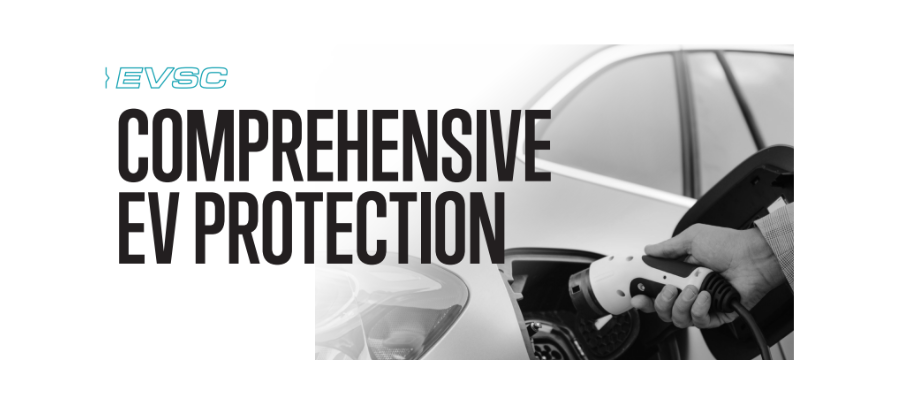
EVs bring a set of distinct considerations that must be accounted for in your F&I offerings. eVSC products by DOWC can address specific EV challenges and provide added value for your customers:
- Battery Coverage: EV batteries are expensive to replace and can be a point of concern for buyers. A DOWC eVSC provides comprehensive coverage for EV batteries extended up to 150,000 miles.
- Charging Infrastructure Assistance: As more customers adopt EVs, home charging stations are becoming an essential part of the ownership experience. A DOWC eVSC offers a powerful level 2 home charger.
- Limited Warranty: DOWC’s EV Limited Warranty offers valuable coverage that includes the most essential and potentially expensive parts: the drive motor, electric power control unit, and charging system.
Don’t Forget About Gasoline and Hybrid Vehicles
While it’s important to embrace the future with electric vehicles, it’s equally important not to overlook the significant number of hybrid and gasoline-powered vehicles still on the road and being sold. These vehicles still make up a large portion of the market, and their owners need F&I products just as much as those purchasing EVs.
- VSC: Gasoline-powered vehicles, though reliable, can still face mechanical issues. Offering VSCs for these vehicles can help protect customers from unexpected repair costs, providing value long after the manufacturer’s warranty expires.
- Maintenance Plans: Regular maintenance is crucial for any vehicle, and offering prepaid maintenance plans can help ease the financial burden of routine services like oil changes, tire rotations, and brake inspections.
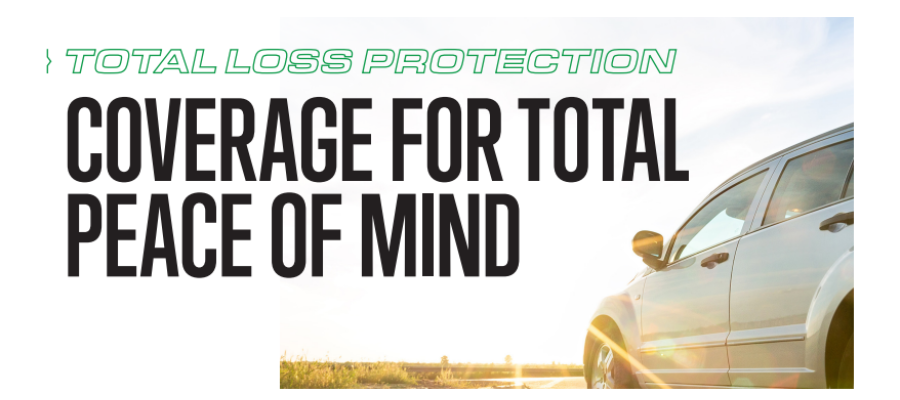
- GAP: Depreciation affects gasoline and hybrid vehicles just as much as EVs. GAP remains an important F&I product to help protect buyers in the event of a total loss, covering the difference between the vehicle’s current value and the remaining loan balance.
Why Diversification Matters
The ultimate goal for any dealership is to increase revenue and foster long-term relationships with customers. A diversified F&I product lineup not only helps you meet the changing needs of consumers but also positions your dealership for success in a dynamic market. By offering a variety of products, you can cater to a broader customer base and capitalize on emerging trends like the rise of hybrids and used EV sales.
Diversification also benefits your dealership’s bottom line by driving additional revenue streams. Products like VSCs, maintenance plans, and GAP are not just a value add for customers — they’re key to increasing dealership profitability.
Moreover, diversifying your F&I offerings helps ensure that your dealership isn’t overly reliant on any one segment of the market. Whether it’s EVs, hybrids, or gasoline vehicles, staying flexible and responsive to customer needs is the best way to remain competitive and future-proof your business.
Why Does This Matter for Your F&I Strategy?
As the automotive landscape continues to evolve, dealerships must adapt and diversify their F&I product offerings. The rise of hybrids and the fluctuating market for EVs present unique challenges and opportunities. By expanding your F&I portfolio to meet the needs of all vehicle types — whether gasoline, hybrid, or electric — you can not only enhance your customer satisfaction but also ensure long-term profitability and growth.